Mode of Action
Cerebrolysin® is a neurotrophic peptidergic drug with multimodal pharmacological properties indicated for the treatment of acute and chronic CNS disorders. See all proven effects of Cerebrolysin® below.
The natural repair and recovery processes in the CNS that start immediately upon injury and play an important role in the continuous defense against neurodegeneration in chronic CNS disorders (e.g. Alzheimer’s disease). Cerebrolysin® has shown to modify two major signalling pathways: the neurotrophic factor (NTF) and sonic hedgehog (Shh) signalling pathway. These pathways regulate on a molecular level the cellular processes of neurogenesis, angiogenesis, dendrite arborisation, axonal sprouting, myelination, and remodelling of the neurovascular unit, thereby supporting the maintenance and repair of the neuronal network.
The pathological events and cascades after stroke or trauma lead to secondary injuries, which further compromise motor and cognitive functions of a patient. Among the most relevant molecular processes targeted by Cerebrolysin® in the acute phase of an injury are events of the ischemic cascade, like excitotoxicity, uncontrolled apoptosis,…
In the early post-acute phase, Cerebrolysin® prevents formation of toxic protein aggregates (amyloidosis) and lowers the level of inflammatory processes, both linked to neurodegeneration if not prohibited.
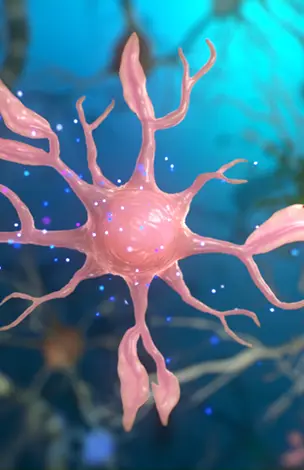
Neurotrophic Support
Cerebrolysin® mimics and modulates the level of such endogenous NTFs.
Regeneration Pathways
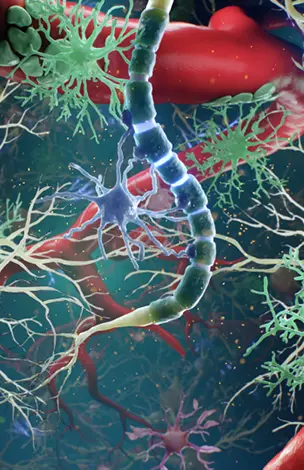
Cerebrolysin® shows effects on neurogenesis and oligodendrogenesis via the Shh signalling pathway.
Protection against
excitotoxicity
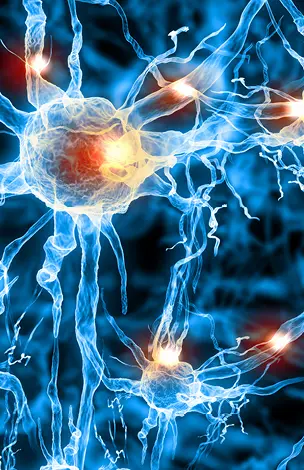
Cerebrolysin® has shown to reduce glutamate-induced injury of cultured neurons.
Reduction of free radicals
Cerebrolysin® reduces the production of free radicals.
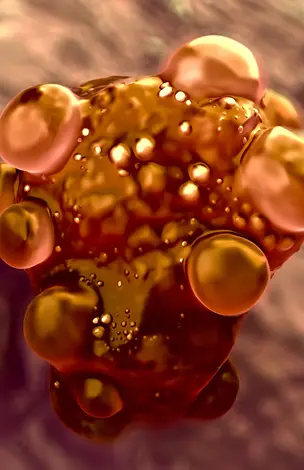
Reduction of pro-
apoptotic encymes
Modulation of
inflammatory response
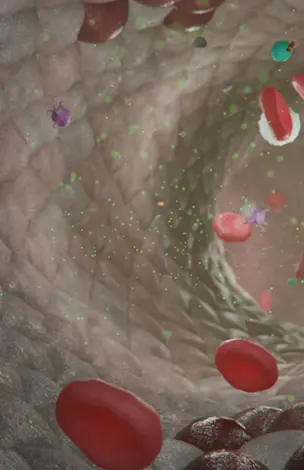

Improvement of BBB
integrity
Neuroplasticity
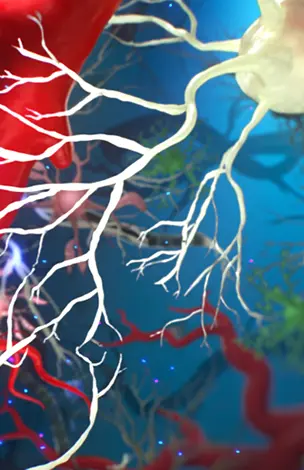
One of the most important properties of Cerebrolysin® is the initiation and promotion of neuroplasticity. So, Cerebrolysin® enhances new neural networks.
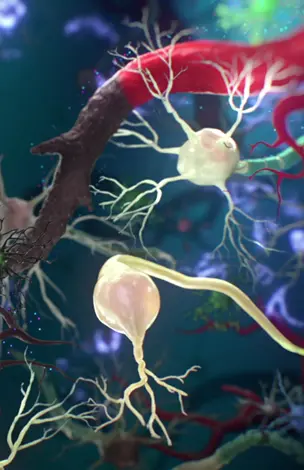
Neurogenesis
Cerebrolysin® amplifies multiple processes of protection and neurovascular recovery and increases neurogenesis.
Reduction of post-stroke
dementia
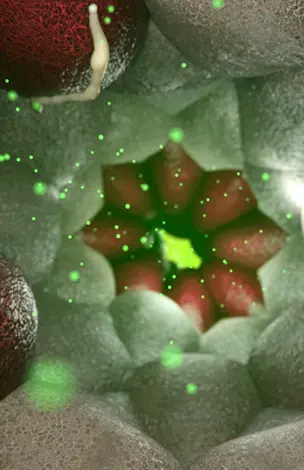
After ischemic stroke the fragments of the thrombus can lead to micro-clots in smaller vessels which can release pro-inflammatory cytokines and swelling of endothelial cells of the capillary walls.
FREY, William H., et al. Quantitative and qualitative distribution of 125l-labeled Cerebrolysin® peptides in the CNS following IV delivery, not published, 2004
Gschanes, A., V. Valoušková, and M. Windisch. „Ameliorative inuence of a nootropic drug on motor activity of rats after bilateral carotid artery occlusion.“Journal of neural transmission 104.11-12 (1997): 1319-1327.
Beghi, Ettore, et al. “European Academy of Neurology and European Federation of Neurorehabilitation Societies guideline on pharmacological support in early motor rehabilitation after acute ischaemic stroke.” European Journal of Neurology (2021).
Zhang, Li, et al. „Sonic hedgehog signaling pathway mediates cerebrolysin-improved neurological function after stroke.“ Stroke 44.7 (2013): 1965-1972.
TENG, Hua, et al. Therapeutic effect of Cerebrolysin® on reducing impaired cerebral endothelial cell permeability. Neuroreport, 2021, 32. Jg., Nr. 5, S. 359-366.
FREY, William H., et al. Quantitative and qualitative distribution of 125l-labeled Cerebrolysin® peptides in the CNS following IV delivery, not published, 2004
Gschanes, A., V. Valoušková, and M. Windisch. „Ameliorative inuence of a nootropic drug on motor activity of rats after bilateral carotid artery occlusion.“Journal of neural transmission 104.11-12 (1997): 1319-1327.
Beghi, Ettore, et al. “European Academy of Neurology and European Federation of Neurorehabilitation Societies guideline on pharmacological support in early motor rehabilitation after acute ischaemic stroke.” European Journal of Neurology (2021).
Zhang, Li, et al. „Sonic hedgehog signaling pathway mediates cerebrolysin-improved neurological function after stroke.“ Stroke 44.7 (2013): 1965-1972.